

The fascinating journey of gambling tracing its historical evolution
The Ancient Origins of Gambling
Gambling dates back thousands of years, with archaeological evidence suggesting that the practice began in ancient civilizations. The earliest known gambling artifacts, such as dice, were discovered in Mesopotamia around 3000 BC. These primitive tools highlight how our ancestors sought entertainment through chance-based games, paving the way for what would evolve into modern gambling. Early games often revolved around simple mechanics, like betting on the outcome of dice rolls, a concept that remains foundational in contemporary gambling culture. Today, you can also enjoy the exciting aviator game, which reflects the thrill of chance.

The Greeks and Romans also played a significant role in the evolution of gambling. In ancient Greece, public gaming houses emerged, and various games were played, including dice and betting on sporting events. Romans further popularized gambling with the establishment of formal betting systems and lotteries. They introduced sophisticated games like knucklebones, which laid the groundwork for modern games of chance. These early forms of gambling served as both entertainment and social bonding activities among participants.
In addition to entertainment, gambling in ancient cultures often had a religious aspect. Many societies associated dice games with divination, believing that the outcomes were influenced by the gods. This intertwining of faith and chance reflects a deep-rooted cultural acceptance of gambling as a significant societal activity. As civilizations evolved, so too did the complexity of gambling, leading to a diverse array of games and betting options that we continue to explore today.
The Development of Gambling in the Middle Ages
The Middle Ages marked a pivotal period for gambling as it became more structured and regulated. During this time, games like cards emerged, becoming immensely popular across Europe. The invention of playing cards in the 14th century, believed to have originated in China, transformed the gambling landscape. Card games allowed for greater strategy and skill, appealing to a wider audience and establishing a foundation for numerous gambling games that would follow.
As gambling grew in popularity, so did the need for regulation. Various monarchs sought to control the gambling practices within their realms, leading to the establishment of laws governing games of chance. For instance, in England, King Henry VIII’s reign saw the introduction of several gambling-related statutes. These regulations aimed to curb illegal activities while also formalizing gambling as a legitimate source of revenue, indicating that governments recognized its economic potential.
The Renaissance brought about a renewed interest in games of chance. The invention of the printing press allowed for the widespread dissemination of gambling literature, including strategy guides and game rules. This period also saw the rise of the lottery as a funding mechanism for public projects, creating a structured form of gambling that attracted a diverse range of players. The combination of innovation, regulation, and societal acceptance during this time laid the groundwork for modern gambling’s complexities and forms.
The Rise of Casinos in the Modern Era
The 17th century marked the birth of the modern casino. The first official casino, known as “Il Ridotto,” opened in Venice in 1638. This establishment catered to the aristocracy, offering a luxurious gambling experience that included card games and betting on various events. The concept quickly gained traction across Europe, leading to the establishment of various gaming houses that provided a more refined gambling atmosphere, thus appealing to an affluent clientele.
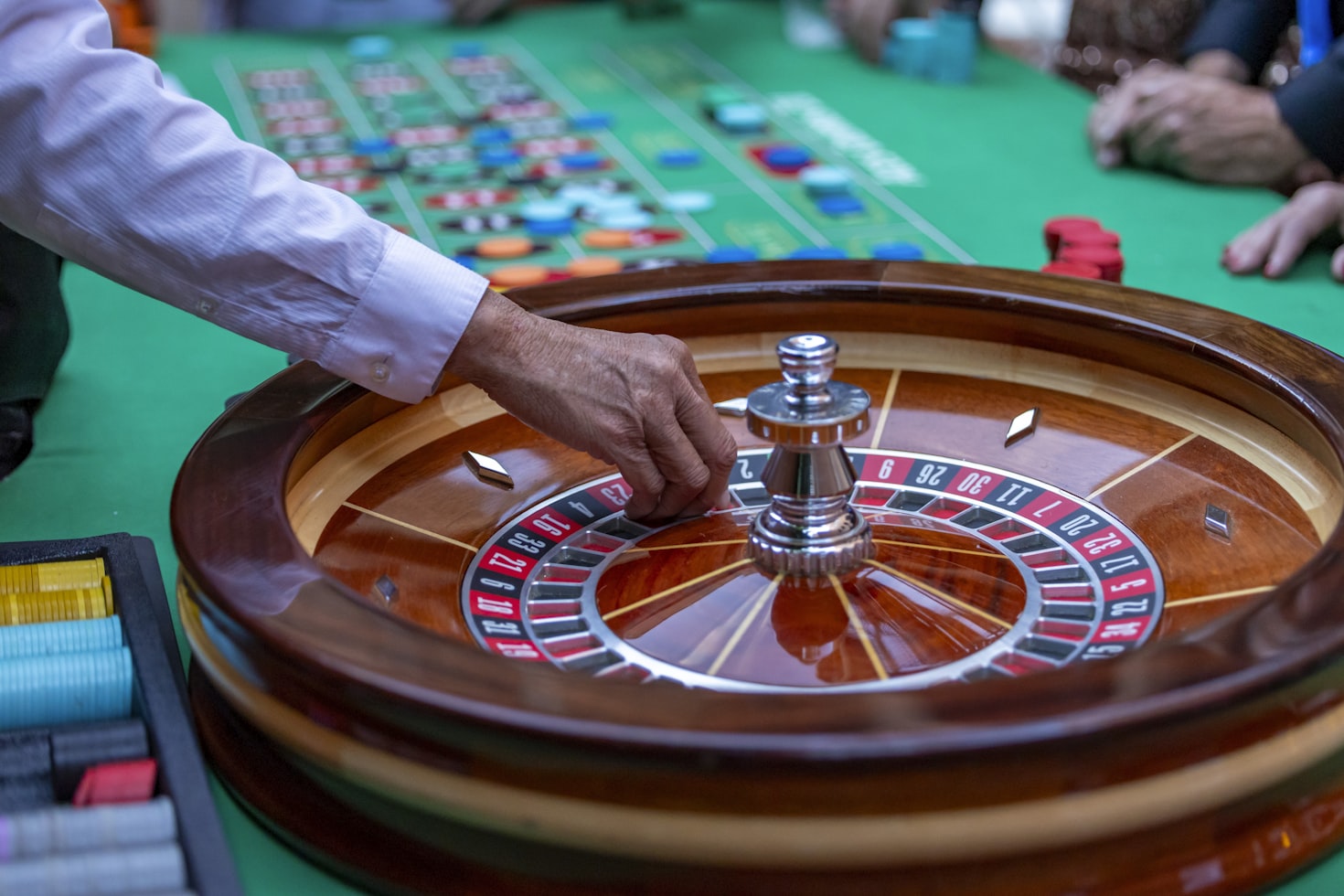
As the popularity of casinos spread, so did the range of games offered. The introduction of games like roulette and baccarat became staples in European casinos, each designed to attract different types of players. The allure of winning big in a glamorous setting contributed to the establishment of casinos as significant social venues. During the 19th century, gambling laws began to evolve, allowing for more gaming establishments to open, leading to the birth of iconic casinos, such as those in Monte Carlo.
The American landscape also saw the rise of casinos during the Gold Rush, as prospectors flocked westward in search of fortune. The establishment of gaming cities like Las Vegas transformed gambling into a mainstream entertainment industry. Modern casinos embraced innovative designs, luxurious amenities, and diverse gaming options, reflecting a societal shift towards viewing gambling as a legitimate recreational activity. The evolution of casinos paved the way for an ever-growing industry that now spans the globe.
The Digital Revolution and Online Gambling
The advent of the internet in the late 20th century revolutionized gambling. Online casinos emerged in the mid-1990s, allowing players to engage in gambling from the comfort of their homes. This digital transformation opened up a new realm of possibilities, offering a wide variety of games and betting options that traditional casinos could not match. As technology advanced, so did the sophistication of online platforms, featuring high-quality graphics, interactive gameplay, and live dealer experiences.
Online gambling quickly gained popularity, appealing to a broader demographic than traditional casinos. The accessibility of online gaming attracted younger audiences and those who might not have been interested in visiting physical gambling establishments. Additionally, the emergence of mobile gambling apps allowed players to engage in betting anytime and anywhere, solidifying the digital realm as a significant player in the gambling industry.
However, the rise of online gambling also brought challenges. Issues regarding regulation and responsible gaming emerged, prompting governments to enact laws to ensure player protection and fair play. The industry responded by developing various safety measures, including age verification and responsible gambling initiatives. As the online gambling landscape continues to evolve, it is clear that the digital revolution has reshaped the gambling experience, creating a dynamic future for players worldwide.
Modern Gambling: Trends and Innovations
Today, the gambling industry is witnessing unprecedented growth, driven by technological advancements and changing societal attitudes. Innovations like virtual reality and augmented reality have begun to transform the casino experience, providing players with immersive environments that closely replicate the thrill of being in a physical casino. These technologies enhance the overall gaming experience, making it more engaging and enjoyable for users.
Furthermore, the integration of artificial intelligence in gambling platforms is optimizing user experiences through personalized recommendations and enhanced security features. Machine learning algorithms analyze player behavior to offer tailored gaming options, thereby increasing player satisfaction and retention. The rise of cryptocurrency has also made waves in the gambling world, offering players anonymity and security in transactions while streamlining payment processes.
As societal acceptance of gambling continues to grow, more regions are legalizing various forms of betting, contributing to a booming global market. The evolution of gambling has led to increased competition among operators, resulting in a broader range of games, bonuses, and promotions for players. This dynamic environment underscores the adaptability of the gambling industry, ensuring it remains an enticing option for entertainment and social engagement.
Exploring the Future of Gambling on Our Website
Our website is dedicated to guiding you through the ever-evolving landscape of gambling. We provide comprehensive resources that explore various aspects of the gambling journey, from historical perspectives to modern trends. Whether you are a seasoned player or a novice looking to learn, our platform offers valuable insights to enhance your gaming experience.
We delve into the latest innovations in online gambling, helping you navigate the complexities of modern betting platforms. Our site features in-depth reviews of top casinos, ensuring you can make informed decisions while exploring your gaming options. By keeping you updated on industry trends and providing practical tips, we aim to create a safe and enjoyable gambling environment for all players.

Leave A Comment